The IRS Just Flagged a New Scam: Fake "Tribal Tax Credits" Promoters Are Selling
IR-2026-112 names a credit that doesn't exist under federal law, sold to taxpayers who often have no idea they've bought into an abusive scheme until an IRS notice shows up. Here's what the release actually says, and what it costs to have claimed one.
What the IRS Actually Announced
On September 18, 2026, the IRS published news release IR-2026-112, warning taxpayers, tribal communities, businesses, and tax professionals about promoters selling something they call a "Tribal Tax Credit." Some versions of the pitch use "Native American Tax Credit" or "Sovereign Tribal Tax Credit" instead, but the substance is the same across all three names: none of them exist under federal law. There is no general-purpose credit an individual taxpayer can buy into that reduces a federal tax bill simply by virtue of a transaction with an entity claiming tribal affiliation.
The IRS says promoters typically charge a fee to "sell" the credit, then tell the buyer it can be applied against their federal tax liability or used to generate a refund. According to the release, this isn't a new problem dressed up in new language. A nearly identical scheme, sometimes called the "sovereign tribal tax credit," cost wealthy investors hundreds of thousands of dollars over the past several years before it drew wider attention. The September release makes clear the IRS is still seeing it and wants both taxpayers and tax professionals watching for it heading into filing season.
How the Pitch Actually Works
The scheme generally follows a familiar pattern for abusive tax shelters. A promoter approaches a taxpayer, often one with significant income looking to reduce a tax bill, and offers to sell a "credit" tied to a tribal entity or program. The taxpayer pays a fee, sometimes a percentage of the claimed credit amount, and is told they can now report the credit on their return. In reality, no such credit exists in the Internal Revenue Code, no tribal government confers a transferable tax credit to outside buyers, and the IRS has stated plainly that these products do not reduce a federal tax liability under any provision it administers.
What makes this version of the scam more durable than most is the framing. Invoking tribal sovereignty gives the pitch a veneer of legal complexity that discourages a buyer from questioning it closely. A promoter can lean on the fact that most taxpayers, and plenty of preparers, don't know the specifics of federal Indian tax law well enough to push back. That's exactly why the IRS called it out by name rather than leaving it folded into a general warning about tax shelters.
Why This Lands Differently in New Mexico
New Mexico is home to 23 federally recognized tribal nations, including the Navajo Nation, the Jicarilla Apache Nation, the Mescalero Apache Tribe, and 19 Pueblos, and tribal government employment is a real and significant part of the economy in parts of the state. Northern New Mexico communities around Espanola, for instance, see meaningful employment tied to pueblo tribal government offices alongside healthcare, construction, and self-employment income. That real economic connection to tribal communities is part of what makes a scam like this land with more credibility here than it might somewhere with no tribal presence at all. A promoter invoking "tribal" anything sounds plausible in a state where tribal government genuinely is a major regional employer. That plausibility is the whole mechanism the scam relies on.
The One Real Credit This Gets Confused With
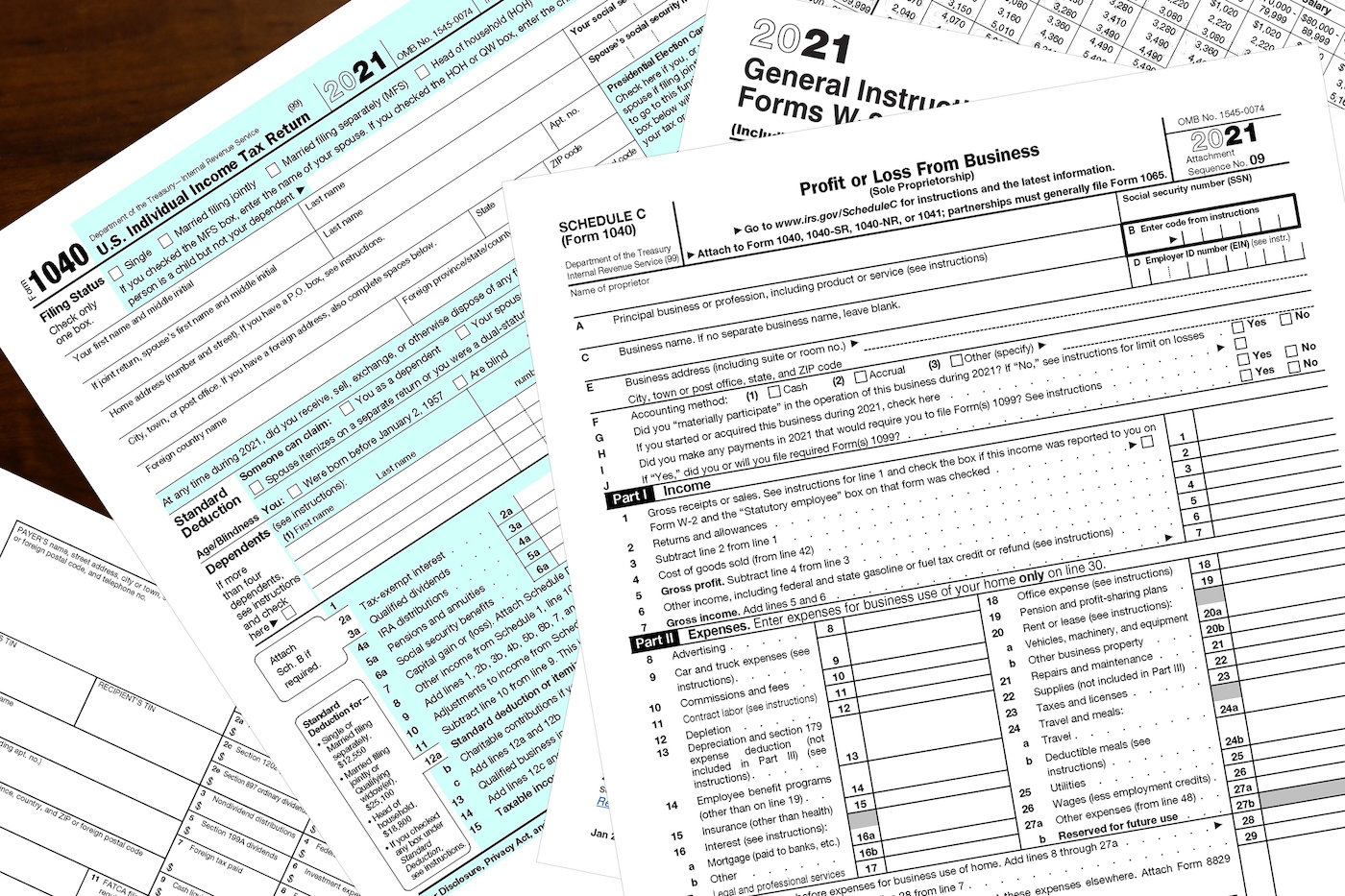
There was, at one point, a legitimate federal credit connected to tribal employment, which is likely part of why this scam gets traction. The Indian Employment Credit under IRC Section 45A let an employer claim a credit against qualified wages and health insurance costs paid to an enrolled tribal member or their spouse, reported on Form 8845. It expired for tax years beginning after December 31, 2021, and Congress hasn't reinstated it since. Two things separate it entirely from what promoters are currently selling: it applied to employers paying actual wages to actual employees, not to someone buying a "credit" as an investment, and it's expired. Anyone marketing a current-year version of a tribal employment credit to an individual buyer is describing something that doesn't exist in either direction.
What a Disallowed Claim Actually Costs
The IRS doesn't quietly let these claims through. A return reporting a fabricated credit gets flagged, the credit is disallowed, and the taxpayer owes the original tax back. Interest runs from the original due date of the return, not from the date of disallowance, so the longer a claim sits before the IRS catches it, the larger the number grows. On top of that, an accuracy-related penalty under IRC Section 6662 typically applies, and if the IRS concludes the claim was part of a promoted abusive scheme, exposure can escalate further. Promoters face penalties under IRC Section 6700 for organizing and selling abusive tax shelters, and the IRS has said plainly that participation in these schemes can result in fines or imprisonment for the people running them. A taxpayer who knowingly bought into a credit they understood to be fabricated faces real exposure too, not just the promoter.
For most buyers caught up in this, the more common outcome is an IRS examination that unwinds the claim, followed by a balance due that includes tax, interest, and penalties stacked on top of the original liability. That's a materially bigger number than what a taxpayer owed before they ever paid a promoter's fee.
If You Already Claimed One
Don't wait for a notice to arrive before addressing it. If you claimed a Tribal Tax Credit, Native American Tax Credit, or anything similar on a prior return, the sooner you deal with it, the more options stay open. In some cases, voluntarily amending a return before the IRS opens an examination limits penalty exposure compared to waiting for a notice. If the IRS has already proposed an adjustment, you'll generally need a path to resolve the resulting balance, whether that's penalty abatement on the accuracy-related penalty where reasonable cause applies, or an installment agreement to pay down what's owed if you can't pay the full balance at once. What doesn't help is ignoring the notice or the amended-return deadline, since both penalties and interest keep compounding the whole time.
Before You Claim Any Unfamiliar Credit
The same due diligence applies to the next unfamiliar credit someone pitches you, tribal-themed or not. Ask for the specific Internal Revenue Code section and the IRS form that supports it. Check IRS.gov directly instead of relying on a promoter's own explanation of the law. A real credit has a citation, a form number, and eligibility rules you can read yourself. If a seller can't point to any of that, or gets vague when you ask, that hesitation is the answer. Our team includes people who spent years inside the IRS reviewing exactly this kind of claim, and we tell callers the same thing in a free consultation: if it can't be traced to an actual statute, it isn't real, no matter how official the pitch sounds.
We work with taxpayers across New Mexico, including northern communities like Espanola where tribal government employment is part of the regional economy, on exactly this kind of IRS exposure, from a first notice through a full examination.
Frequently Asked Questions
What exactly did the IRS warn about in IR-2026-112?
On September 18, 2026, the IRS issued IR-2026-112 warning taxpayers, tribal communities, businesses, and tax professionals about promoters marketing so-called "Tribal Tax Credits," "Native American Tax Credits," or "Sovereign Tribal Tax Credits." None of these exist under federal law. The IRS says promoters sell them for a fee and falsely claim they can reduce a buyer's federal tax liability or generate a refund.
Is there any real federal tax credit connected to tribal employment?
There was. The Indian Employment Credit under IRC Section 45A let an employer claim a credit on qualified wages and health insurance costs paid to an enrolled tribal member or their spouse, claimed on Form 8845. It expired for tax years beginning after December 31, 2021, and Congress has not reinstated it. It was also an employer-side credit tied to actual payroll, never something an individual could purchase from a promoter.
What happens if I already claimed one of these credits on a return?
The IRS will disallow the credit on examination. You'll owe the tax back, plus interest from the original due date, plus an accuracy-related penalty in most cases. If the IRS views the claim as part of a promoted abusive scheme, exposure can extend to penalties under IRC Section 6700 for the promoter and, in egregious cases, civil fraud penalties or criminal referral for the taxpayer.
Can the promoters selling these credits face criminal charges?
Yes. The IRS specifically said participation in an abusive tax scheme can result in fines or imprisonment, and promoters of fraudulent tax credit schemes are referred to IRS Criminal Investigation. That exposure applies to whoever is marketing and selling the credits, and in willful cases can extend to buyers who knew the credit was fabricated.
How can I verify whether a tax credit is actually real before claiming it?
Check IRS.gov directly rather than trusting a promoter's marketing materials, and ask whoever is selling the credit to point you to the specific Internal Revenue Code section and IRS form that supports it. A legitimate preparer or enrolled agent can confirm in minutes whether a credit exists and whether you qualify. If someone can't or won't show you the statute, that's the answer.
Get your free tax debt action plan.
15 minutes with our resolution team. A concrete plan, yours to keep. No obligation, no pressure.