New Mexico Isn't Giving You the IRS's New Break on Tips and Overtime
The federal government stopped taxing a big chunk of tips and overtime pay starting with the 2025 tax year. New Mexico didn't follow. If you're a server, bartender, or hourly worker logging overtime anywhere from Santa Fe to Albuquerque, the income that disappears from your federal return can still show up, in full, on your state one.
What the Federal Deduction Actually Does
The One Big Beautiful Bill Act, signed into federal law in 2025, created two new deductions: one for qualified tips and one for qualified overtime compensation, both available for tax years 2025 through 2028. A worker who qualifies can deduct a meaningful share of tip income and the premium portion of overtime pay directly on their federal return, even without itemizing. Both deductions phase out at higher income levels, and both come with their own eligibility rules tied to how the IRS defines the underlying pay.
That's a real change for restaurant staff, casino and hotel workers, home health aides paid hourly, and anyone in a job where overtime is routine. It is also, in the way these things tend to go, not the whole story once you get to the state return.
Why New Mexico Doesn't Follow Along Automatically
New Mexico's personal income tax doesn't build its own definition of taxable income from scratch. Under Section 7-2-2 NMSA 1978, the state defines "base income" for individuals as federal adjusted gross income, with a short list of New Mexico-specific add-backs. Everything else about how your federal return gets to AGI is simply inherited.
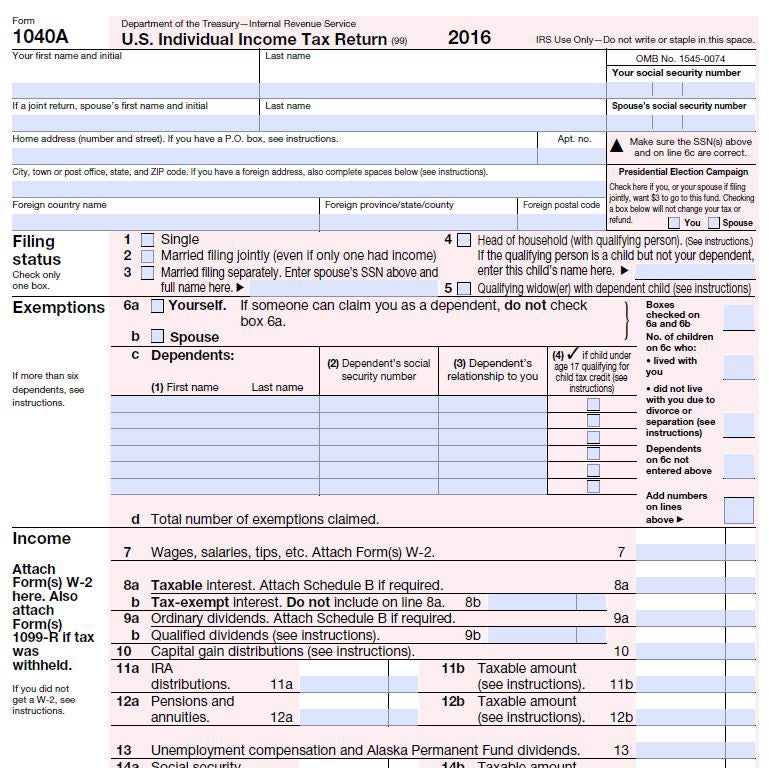
That matters here because of where the tips and overtime deductions actually sit on the federal return. They aren't subtracted on the way to AGI. They're subtracted afterward, on the way from AGI to federal taxable income, which is the same mechanical slot occupied by the standard deduction. New Mexico's starting figure is pulled before that step happens. A deduction that never lowers AGI never reaches the number New Mexico taxes, no matter how real the federal tax savings are.
This isn't a guess about how the mechanics should work. New Mexico Legislature staff flagged it directly in a 2025 briefing to the Revenue Stabilization and Tax Policy Committee, listing both the new tips provision and the new overtime provision as items the state does not conform to. Unless that changes, income that's tax-free to the IRS stays fully taxable to the state.
Who This Actually Catches
The gap lands hardest on people whose pay structure the IRS deduction was built around: tipped workers in food service and hospitality, and hourly employees who regularly clock overtime in construction, healthcare, and public safety. New Mexico has plenty of both. Tourism-driven hospitality income is a defining feature of the Santa Fe economy, where gallery district restaurants, hotels, and seasonal event staffing create exactly the tip-heavy income profile this deduction targets, and the same dynamic plays out in Albuquerque's hospitality and service sector.
The trap isn't the math itself, it's the assumption. A worker sees a smaller federal tax bill, a W-2 or pay stub reflecting the new reporting categories for tips and overtime, and reasonably figures the state followed suit. Withholding tables and payroll software don't always flag the divergence clearly. By the time a return gets filed, or an estimated payment gets skipped because "it's not taxable anyway," the New Mexico balance due can be a surprise with real penalty and interest exposure attached.
What a Gap Like This Costs You
New Mexico's personal income tax rates run from 1.5% up to 5.9% depending on income, so the dollar impact of the gap scales with how much tip or overtime income you earned and where you land in the bracket schedule. The bigger issue for most people isn't the rate, it's that the liability shows up unexpectedly, after the money's already spent and after any chance to adjust withholding for the year has passed.
If that happens, interest under Section 7-1-67 NMSA 1978 starts accruing the day after the tax was due and keeps running regardless of an extension or a payment plan. The late-payment penalty under Section 7-1-69 NMSA 1978 generally runs at 2% per month, capped at 20% of the unpaid tax, but the statute carves out an exception when the underpayment stems from a good-faith mistake of law made on reasonable grounds. A taxpayer who reasonably assumed the federal tips or overtime exemption applied at the state level has a real argument for penalty abatement on that basis, which is worth raising before simply paying whatever notice shows up.
A Fix Is Pending, But It Isn't Law Yet
Lawmakers introduced a bill in the 2026 legislative session that would have created New Mexico deductions mirroring the federal tips and overtime breaks. As of this writing, that proposal has not translated into updated PIT-1 instructions from the Taxation and Revenue Department, and nothing has changed the underlying conformity gap described above. Until the department says otherwise, assume this income is fully taxable on your New Mexico return and plan accordingly, particularly for estimated payments if you're self-employed or under-withheld.
What to Do if You're Already Behind
If you've already filed assuming the federal exemption carried over, or you're looking at next year's withholding and realize you've been under-paying New Mexico all along, the move is to quantify the gap before TRD does it for you. If a balance is more than you can pay at once, Section 7-1-21 NMSA 1978 lets the state set up an installment agreement rather than forcing a lump sum. And if the shortfall is tied up with a broader IRS or TRD collection problem, hardship status through Currently Not Collectible designation can pause enforcement while you get current. Our team includes people who spent years on the inside of federal collection work, and we handle New Mexico state issues alongside federal ones in the same engagement so a state-level surprise doesn't turn into two separate fights.
Frequently Asked Questions
Does New Mexico tax tips and overtime pay that are now exempt from federal tax?
Yes. The federal deductions for qualified tips and qualified overtime compensation, created for tax years 2025 through 2028, reduce what you owe the IRS, but New Mexico has not adopted a matching deduction. That income still counts toward your New Mexico taxable income.
Why doesn't the federal deduction carry over to my New Mexico return?
New Mexico's personal income tax starts from your federal adjusted gross income, defined as "base income" under Section 7-2-2 NMSA 1978. The tips and overtime deductions are taken after AGI is calculated, on the way to federal taxable income, so they never touch the AGI figure New Mexico's return is built on. A deduction that doesn't lower federal AGI doesn't lower New Mexico tax.
How long does the federal no-tax-on-tips-and-overtime break last?
It applies to tax years 2025 through 2028 under the federal law that created it. Unless New Mexico's legislature acts separately, the state-level gap applies for the same years.
What if I end up owing New Mexico tax because I assumed the state followed the federal rule?
You're not alone, and it's a common assumption. If a balance comes due, New Mexico can set up an installment agreement under Section 7-1-21 NMSA 1978, and interest under Section 7-1-67 NMSA 1978 still accrues on any unpaid amount. The late-payment penalty under Section 7-1-69 NMSA 1978 has a good-faith exception for a reasonable mistake of law, which is worth raising if this is why you fell behind.
Could New Mexico add its own tips and overtime deduction later?
Lawmakers introduced a bill in the 2026 legislative session that would have created a parallel state deduction. As of this writing it has not changed how the Taxation and Revenue Department instructs taxpayers to report tips and overtime on the PIT-1, so the safest assumption is that the gap still applies until the department says otherwise.
Get your free tax debt action plan.
15 minutes with our resolution team. A concrete plan, yours to keep. No obligation, no pressure.